
The AI agent layer for electronics design
Electronics design AI, spun off from LG Electronics.
We catch the logical design errors hidden between documents.
Required −40 °C ↔ part 0 °C · mismatch
Customers, partners and programs working with SECA







Engineers move across six documents and check them again by hand after every change.
1Requirements
List voltage, temperature, interface conditions
2Schematics
Lay out blocks, draw circuits
3Datasheets
Check ratings and pinouts
4BOM
Pick parts, find alternates
5RTL & verification
Write logic, derive test items
6Design review
Compare documents by eye
One spec line changes, and the whole loop is checked again
The line that changed
The requirement spec sets the operating temperature to −40 °C … +125 °C.
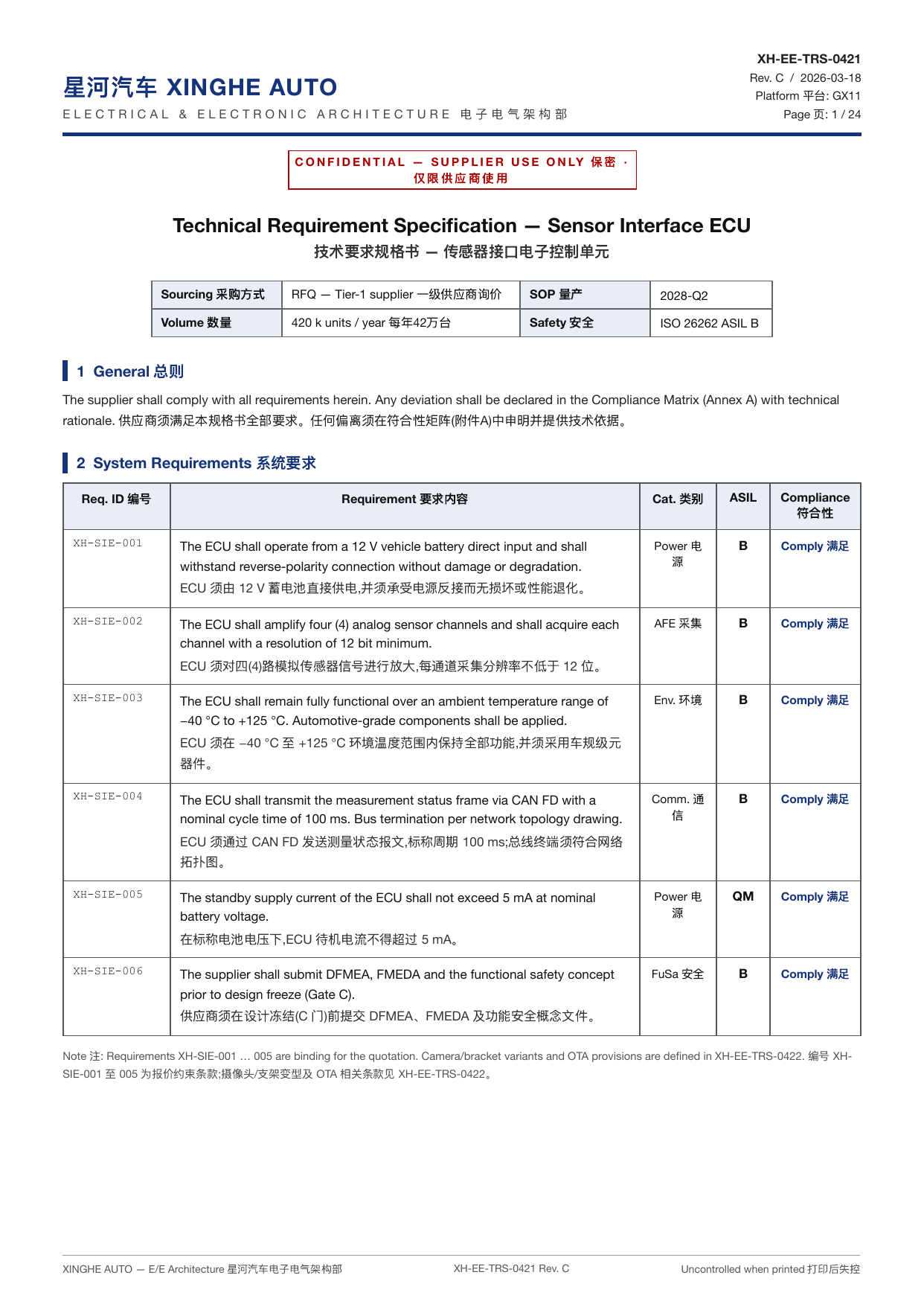
Requirement spec XH-SIE-003
Documents to reopen
- SchematicsDo the power and block structure still meet the new condition?Manual re-check
- DatasheetsIs every part rated for the new temperature range?Manual re-check
- BOMDo selected parts and alternates have to change?Manual re-check
- RTL & verificationDo the test items use the right temperature points?Manual re-check
- Design reviewDo the documents still agree with each other?Manual re-check
A design automation agent that is reproducible and easy to review.
Requirements · Datasheet
Circuit Schematic · Netlist
+5V0 → U12.VIN → +3V3
Structuring
Requirements, datasheets and nets are split into items and linked, each with its source.
- REQREQ-012→Power-up sequence
- DSLDO VIN 4.5–5.5 V←Datasheet p.12
- NETU12.VOUT→+3V3 net
- DSMCU VDD 3.0–3.6 V←Datasheet p.7
DB · chip design verification PoC
Block diagram
LG Electronics · automotive PoC
Circuit verification
- PASSU12.VOUT 3.3 V ↔ MCU VDD 3.0–3.6 V
- HIGHC34 decoupling < datasheet min
- MEDI2C SDA pull-up missing
01
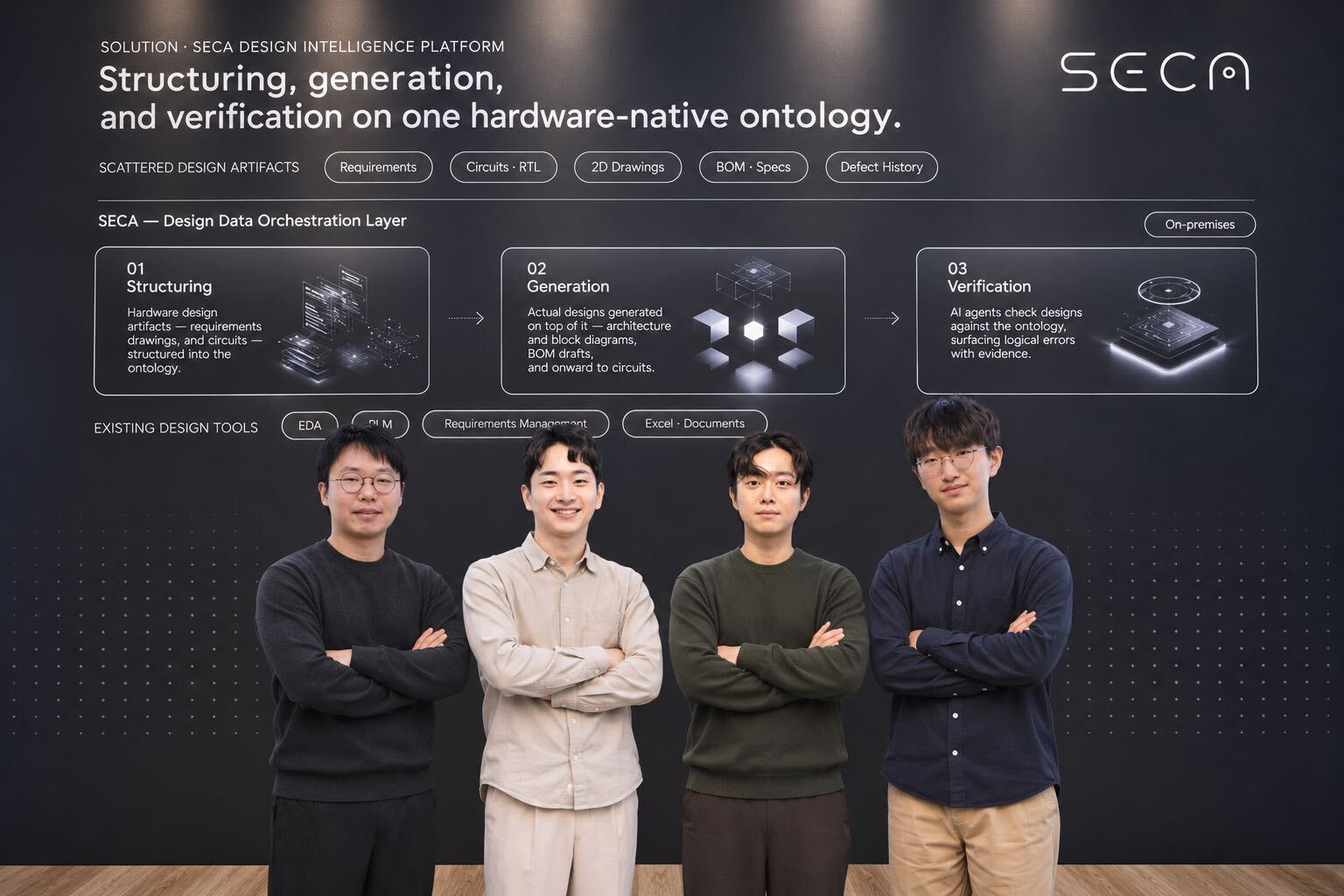
Read every document into one design graph.
SECA reads requirements, circuits, datasheets, BOMs and RTL, and links parts, pins, signals and specs into one graph. Every value keeps a record of the document and location it came from.
- Requirements
- Schematics
- Datasheets
- BOM
- RTL
Input documents
- Drawings (CAD)
- BOM
- Datasheets
- Requirements
One design graph
Part · pin · signal · spec · document
Evidence-traced part search
- Candidate 1
- Candidate 2
- Candidate 3
02
Generate the first draft on top of it.
From structured requirements, SECA selects part families, recommends parts, checks pin assignments and drafts the block diagram. Engineers start from a draft to review, not a blank page.
- Schematics
- BOM
Structured requirements
- Interface
- GMSL
- MCU
- ARM Cortex-M7
- Voltage
- 3.3 V
- Temp range
- −40 ~ 125 °C
Agent pipeline
- 1Part-family selection
- 2Part recommendation
- 3Pin verification
- 4Block diagram generation
verify / retry
Block diagram draft · verified pins
- P1GMSL_TXOK
- P2CAN_HOK
- P3CAN_LOK
- P4I2C_SCLOK
03
Flag cross-document errors, with the source attached.
If the requirement says −40 °C but the BOM part is only rated down to 0 °C, SECA shows the two source lines side by side and offers a candidate that meets the condition. Review becomes checking evidence.
- RTL & verification
- Design review
Review finding · requirements ↔ BOM
Temperature range mismatchEvidence 1 · requirement spec XH-SIE-003
Evidence 2 · LM124-series datasheet p.1, ordering information
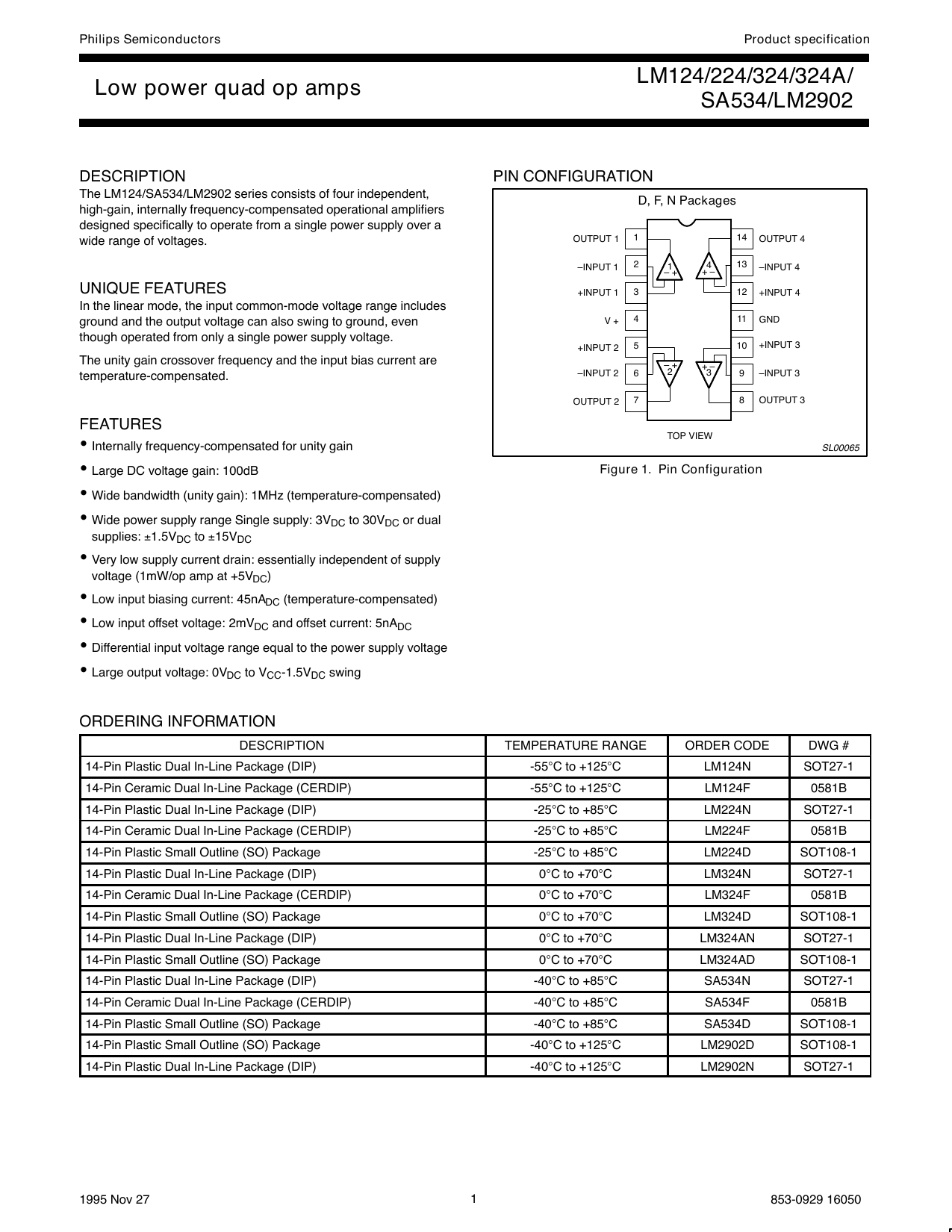
Draft BOM
LM324D · 0 °C ~ +70 °CCandidate that meets it
LM2902D · −40 °C ~ +125 °C
We are building a design-specialized foundation model
that understands requirements through physical layout.
Training data
RTLBehavior · control
always @(*) begin
  if (a) y = b & c;
  else   y = d | e;
end
NetlistFlattened · gates · nets
wire n1, n2;
AND2_X1 g1 (.A1(b), .A2(c), .ZN(n1));
OR2_X1  g2 (.A1(d), .A2(e), .ZN(n2));
MUX2_X1 g3 (.S(a), .A(n2), .B(n1), .Z(y));
LayoutArea · placement · routing
die 2.4 × 1.6 mm
macro A0 @ (120, 80) rot 0
M3 route n1: (12,4)→(48,4)
via M2/M3 @ (48,4)
Circuit Foundation Model
Logical view
Logical representation
Physical view
Physical representation
Requirements → logic → physical, joined in one representation space
Enterprise design workflow · on-premises
- Design generation
- Cross-domain check
- Adapts & learns on in-house data
Logical and physical views of the same circuit meet in one model space — any divergence is caught as a logical design error.
Measured in PoCs with paying customers.
Semiconductor design — verification

−90%
requirements review time
BeforeReview time beforeSECA10% of beforeRequirements documents structured and verification items generated automatically, cutting review time by 90%
Home appliances — part search & substitution

2 h → 10 min
review time per part
Before2 hoursSECA10 minutesDrawings and BOMs structured into a knowledge graph to recommend similar and alternative parts that meet the spec, with evidence
Automotive — block diagram & parts
−66%
first-draft effort
Before480 h per monthSECA160 h per monthAutomated from requirements through part-family selection, pin verification and block-diagram generation — 480 → 160 hours per month
From in-house venture to today: the path SECA has taken.
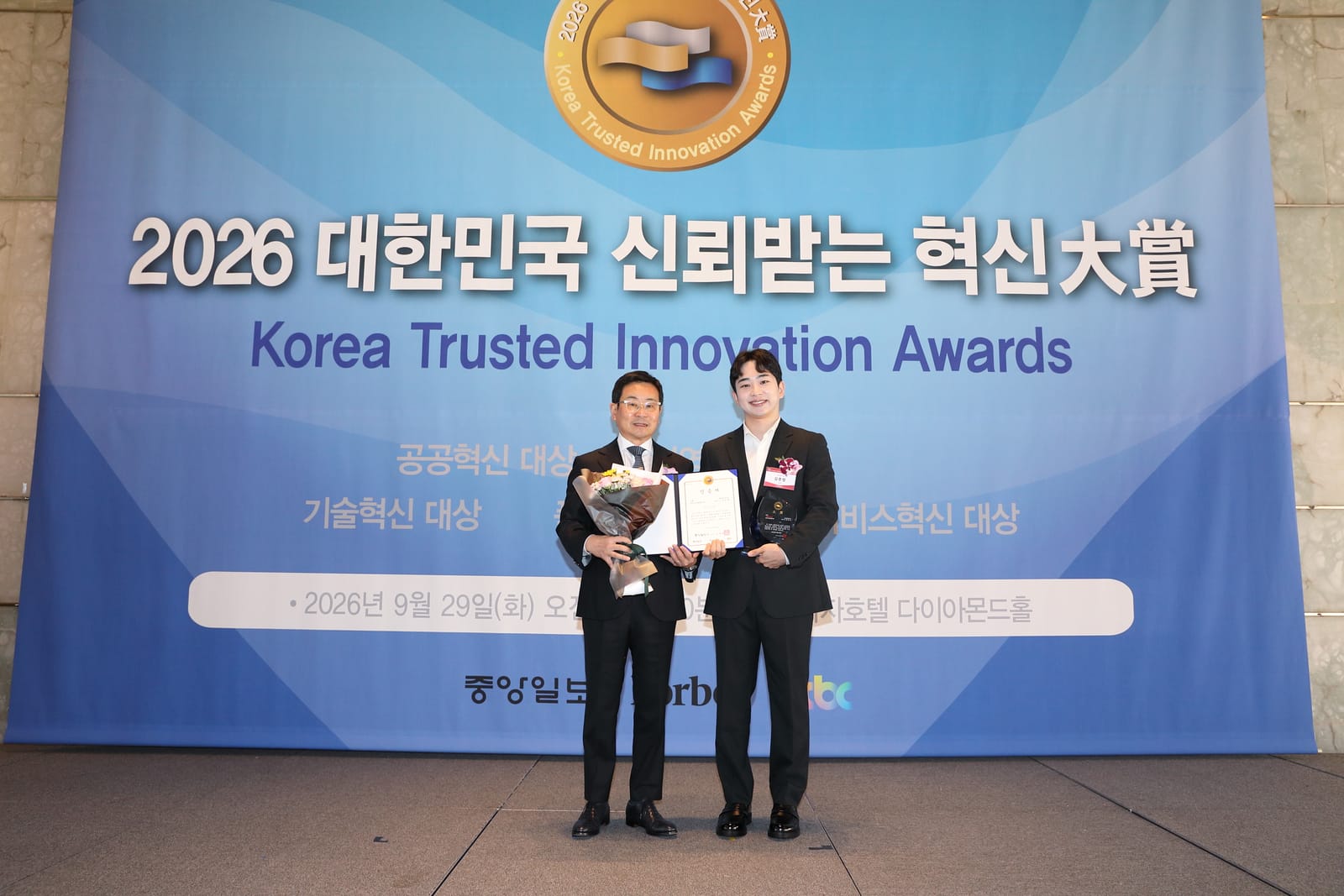
AwardSep 2026  Technology Innovation Award, selected by Forbes Korea
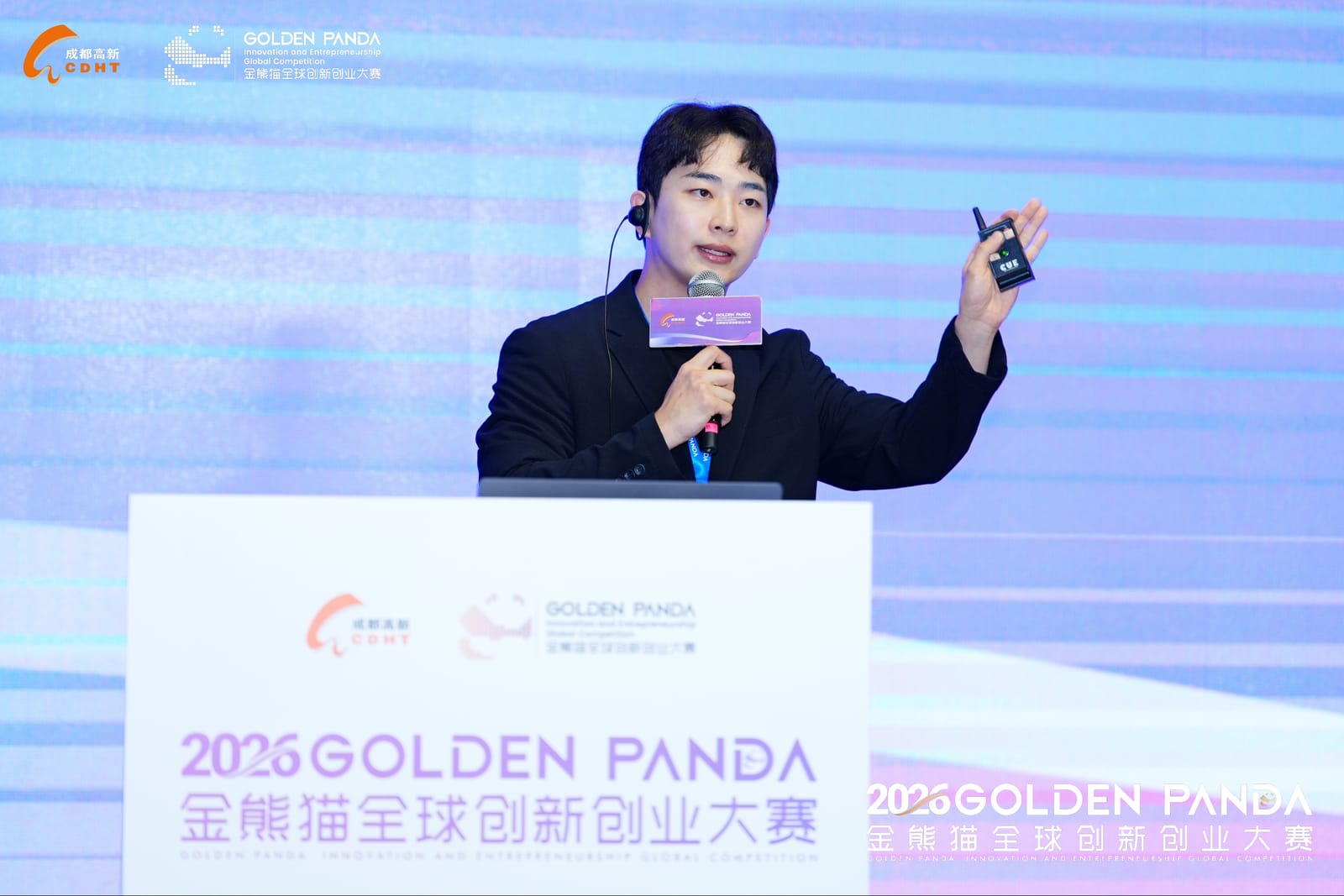
AwardNov 2026Grand Prize, Golden Panda Global Innovation & Entrepreneurship Competition
- Award
- Selected to spin off from LG Electronics’ Studio341
- Top Excellence Award, Seongnam CHAMP
- Encouragement Award, KIC China Startup Competition
- Silver Award, AW 2026 Open Innovation Round


- Selected
Selected for K-water’s partner startup program and Net Zero Challenge X

- Founded
- SECA incorporated as an LG Electronics spin-off
- joined the 6th cohort of KB Unicorn Club

- Exhibition
Exhibited in the Korean Innovation Pavilion at WAIC 2026, Shanghai

- Investment
Raised a seed round from LG Electronics and BluePoint Partners

- Selected
Selected for the US track of the Gyeonggi AI global joint research program
- Award
Technology Innovation Award, selected by Forbes Korea
- Selected
Selected for the NVIDIA Inception Program

- Selected
Selected for the AWS Global Startup Program

- Exhibition
- Exhibited at AW Vietnam 2026 in Hanoi
- finalist in the AW: Beyond Next startup pitch finals

- Exhibition
- Exhibited at Industrial AI EXPO
- presented at its investor pitch session and the Korea Credit Guarantee Fund U-CONNECT Demo Day


- Pitch
Pitched at Seoul AI Hub IR DAY

- Award
Grand Prize, Golden Panda Global Innovation & Entrepreneurship Competition
- Finalist, K-Startup Day at SLUSH 2026 in Helsinki, Finland
- supported by GBSA (Gyeonggi Business & Science Accelerator)
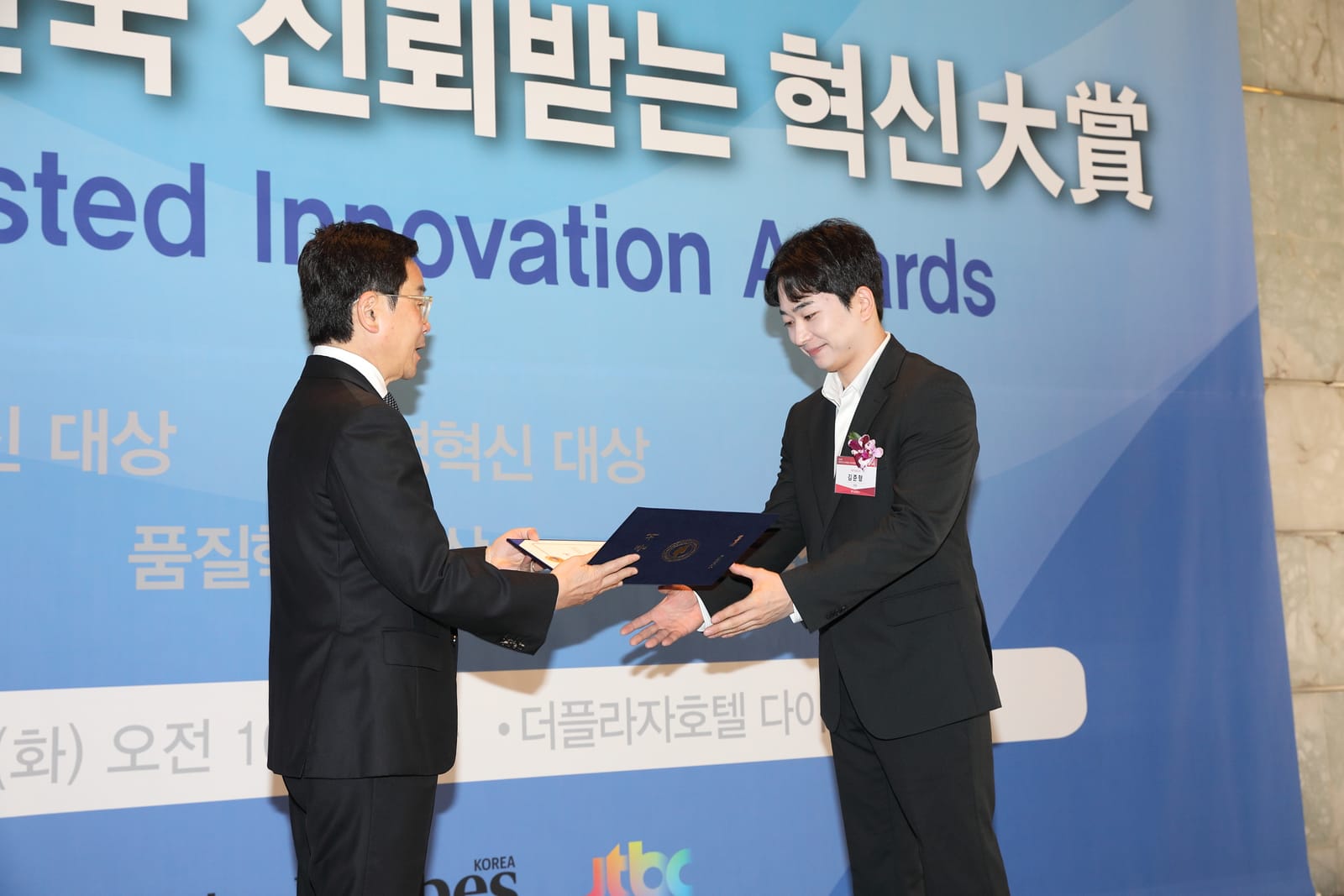
Sep 2026Forbes Korea Technology Innovation Award ceremony 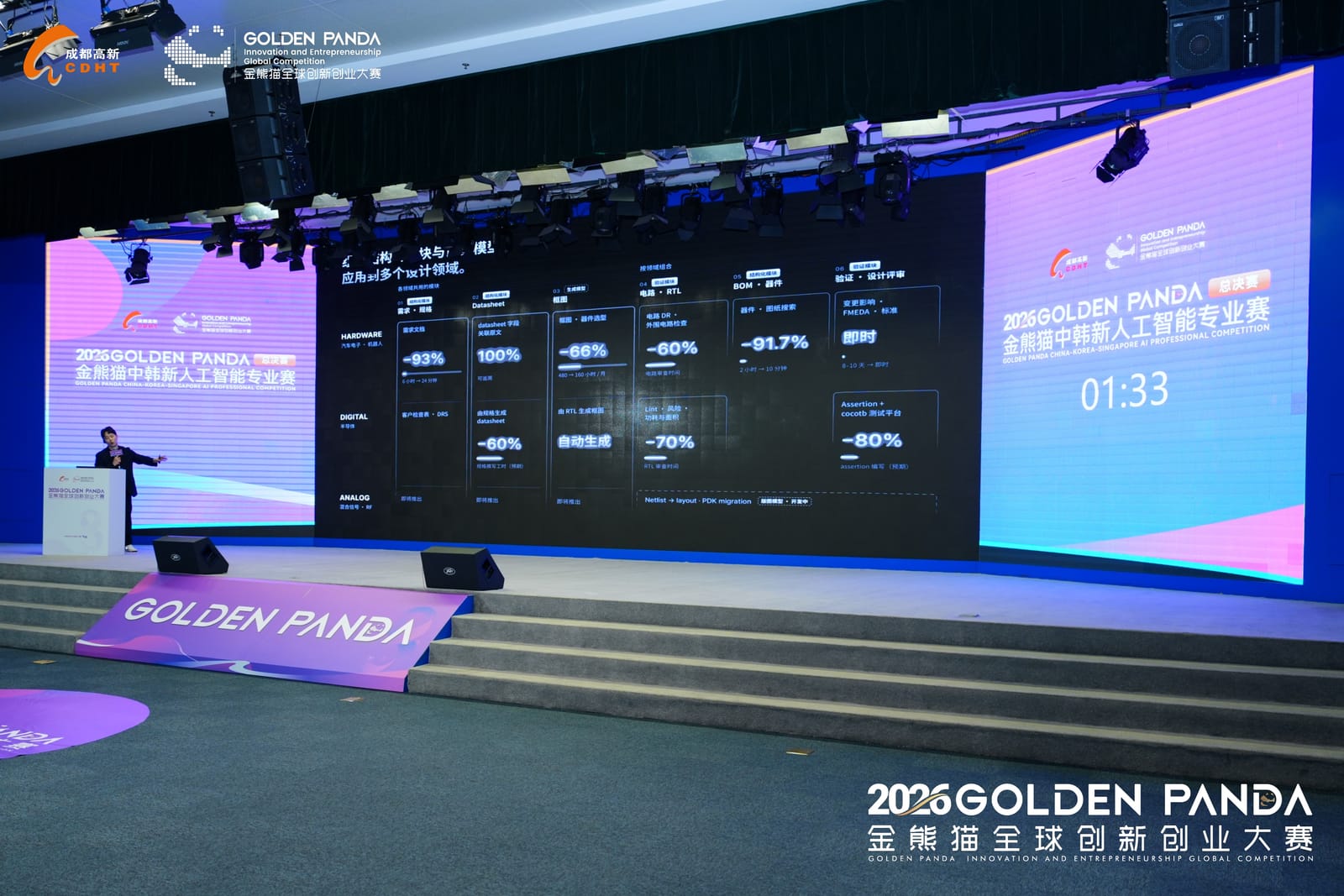
Nov 2026Pitch at the Golden Panda Global Innovation & Entrepreneurship Competition 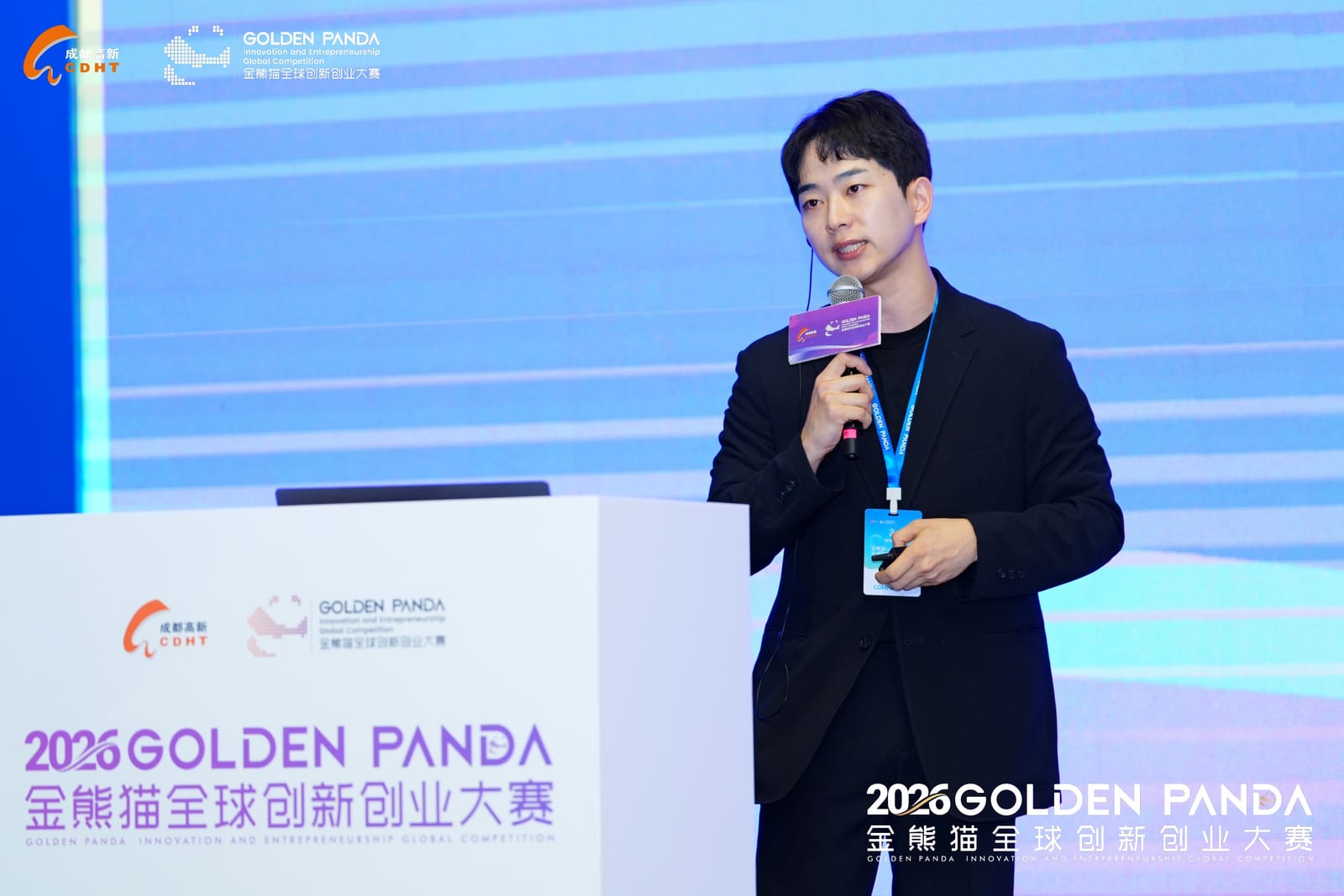
Nov 2026Golden Panda competition pitch 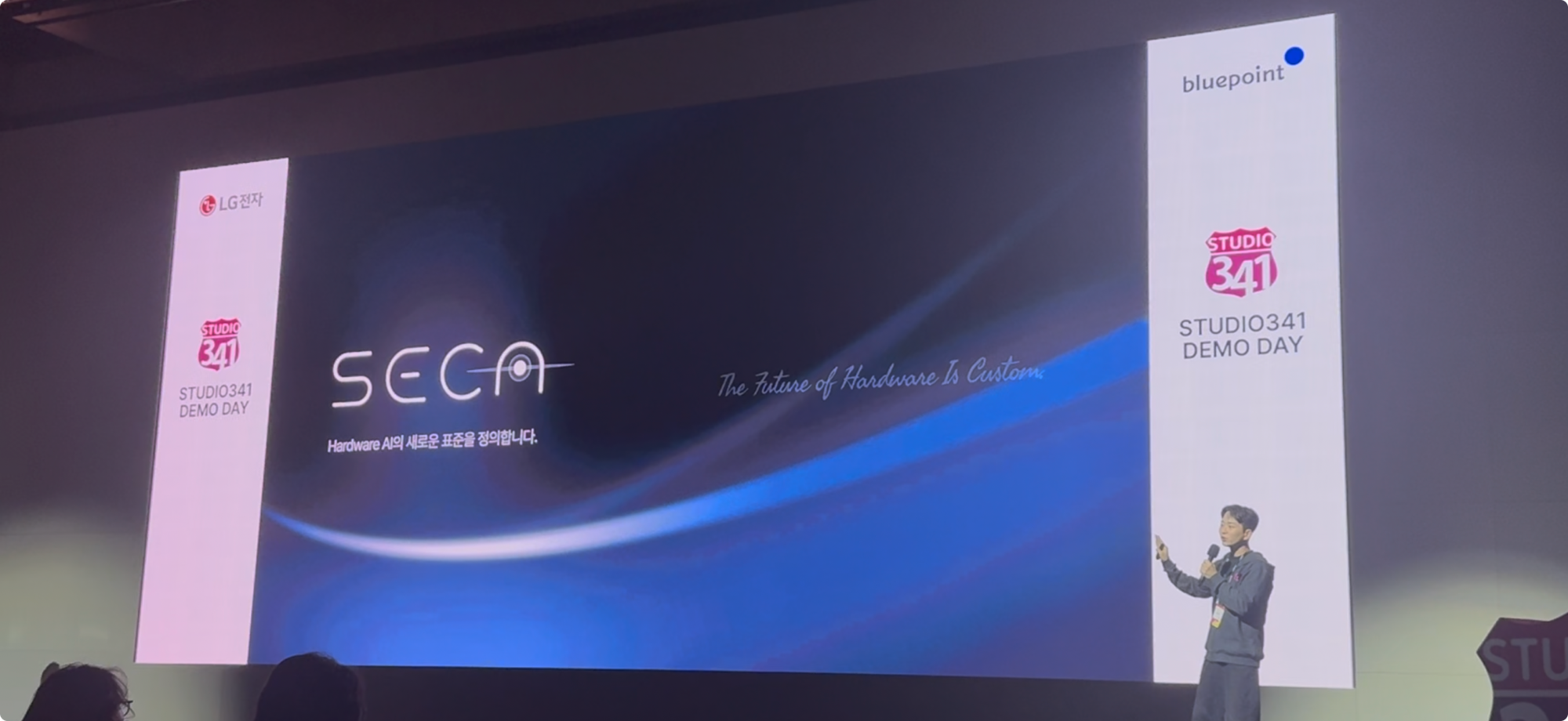
Apr 2026Studio341 Demo Day · SECA on stage 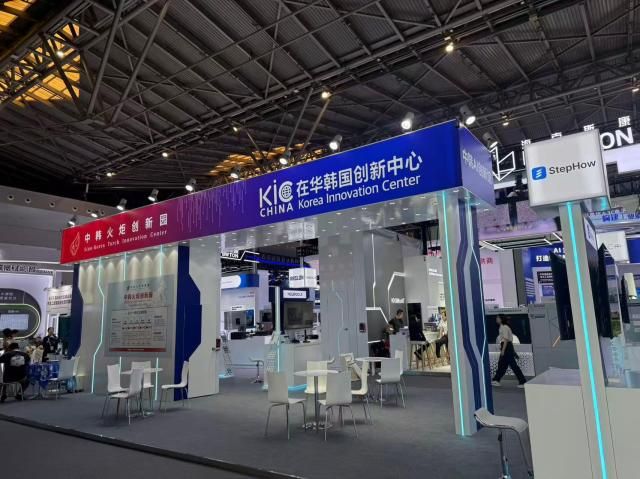
Jul 2026WAIC 2026 Shanghai · KIC China pavilion 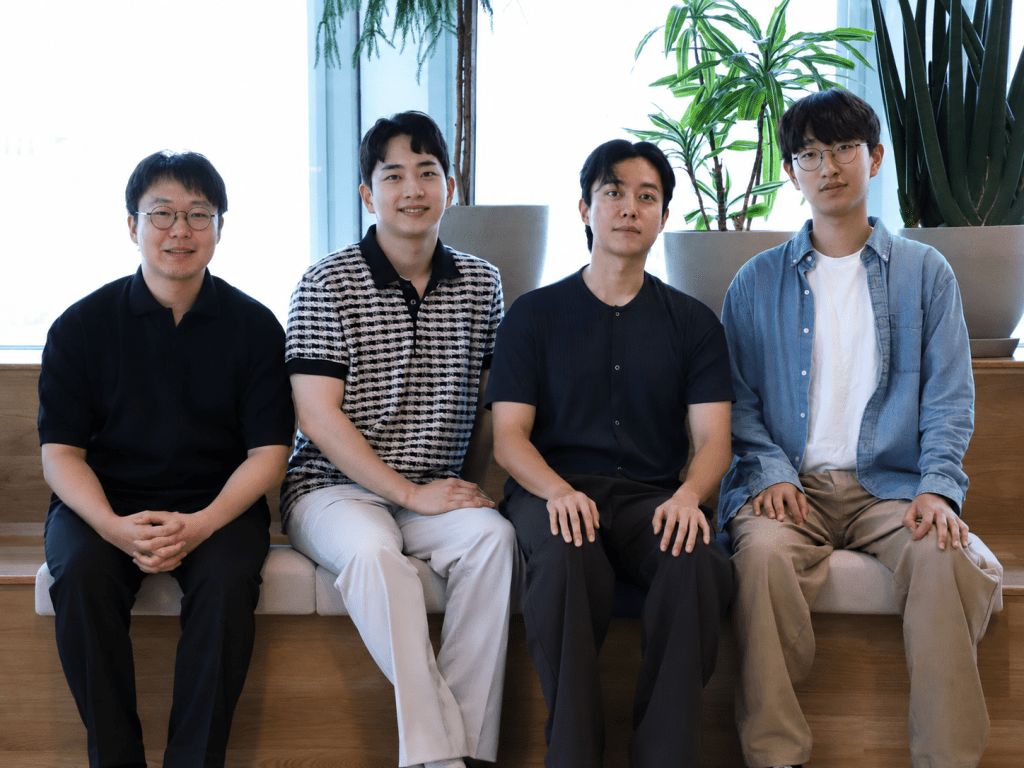
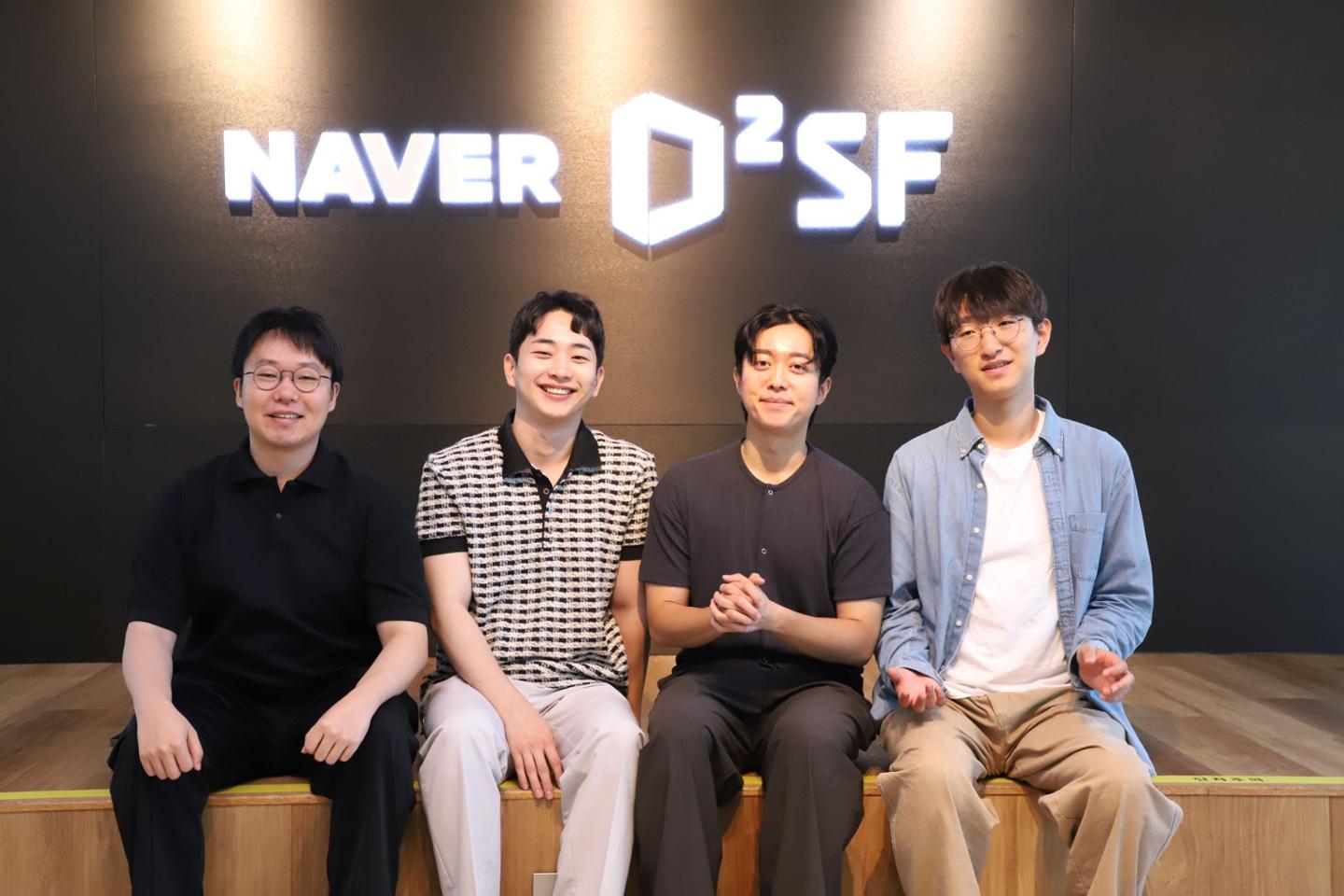
Aug 2026Seed round · the SECA team
Questions, answered.
What does SECA do?
SECA is an electronics and hardware design AI company spun off from Studio341, LG Electronics’ in-house venture program. It connects scattered design data such as requirements, schematics, datasheets, BOMs and RTL, and supports design drafting and cross-document error verification.
What problem does SECA solve?
SECA takes the manual work out of cross-checking documents whenever a design changes. It structures design information into a single graph and uses those connections to flag likely errors and omissions, citing the source documents.
Who is it for?
Electronics and hardware design teams in home appliances, automotive electronics, semiconductors and similar fields. Applications and pilot results are described in the original articles linked from the news page.
How is SECA related to LG Electronics?
SECA is a startup that spun off from Studio341, the program run by LG Electronics and BluePoint Partners, and both invested in its seed round. It is an independent company, not a business unit of LG Electronics.
Agents execute. Engineers lead.
Product, partnership and press inquiries: info@secalabs.com